Portable X-ray machines have become a critical tool across hospitals, outpatient clinics, long-term care facilities, and mobile healthcare environments. As healthcare delivery continues to shift toward faster diagnostics, decentralized care, and improved staff safety, portable radiography systems play an increasingly strategic role – not just a convenient one.
Below, we break down the real-world benefits of portable X-ray machines, with a focus on clinical workflow, safety, and operational decision-making – the factors that matter most to today’s healthcare organizations.
1. Faster Imaging at the Point of Care
One of the primary advantages of portable X-ray machines is the ability to perform imaging where the patient is, rather than transporting patients to a fixed radiology suite.
This is especially valuable in:
-
Intensive care units (ICUs)
-
Emergency departments
-
Operating rooms
-
Skilled nursing and long-term care facilities
Reducing patient transport can shorten diagnostic timelines, minimize patient risk, and improve throughput – particularly for patients who are critically ill, immobile, or infectious.
Operational impact: Faster clinical decisions, reduced staff burden, and fewer delays in treatment.
2. Improved Patient Safety and Comfort
Transporting patients for imaging carries inherent risks, including falls, line dislodgement, and increased exposure to pathogens. Portable X-ray systems allow imaging to be completed with minimal patient movement.
For vulnerable populations – such as elderly patients, post-operative patients, or those with respiratory instability – this can significantly reduce complications while improving overall patient experience.
3. Support for Infection Control and Isolation Protocols
Portable imaging plays an important role in infection prevention strategies. Performing X-rays in isolation rooms or designated care areas helps limit cross-contamination and reduces unnecessary movement through shared spaces.
This benefit became especially clear during periods of heightened infection control requirements and remains relevant in modern hospital design and policy planning.
4. Flexibility Across Multiple Clinical Environments
Unlike fixed radiography rooms, portable X-ray machines can be deployed across:
-
Emergency care
-
Surgical suites
-
Inpatient units
-
Field hospitals and mobile clinics
-
Long-term care and rehabilitation centers
This flexibility allows facilities to scale imaging capacity without structural renovations, making portable systems a practical option for both permanent and temporary care settings.
5. Integration With Digital Imaging and PACS Workflows
Modern portable X-ray machines are designed to work seamlessly with digital radiography (DR) detectors and PACS systems. Images can be reviewed, shared, and archived quickly – often within seconds of acquisition.
This supports:
-
Faster physician review
-
Reduced repeat imaging
-
Improved collaboration between departments
When evaluating portable systems, compatibility with existing detectors, software, and IT infrastructure is a key consideration.
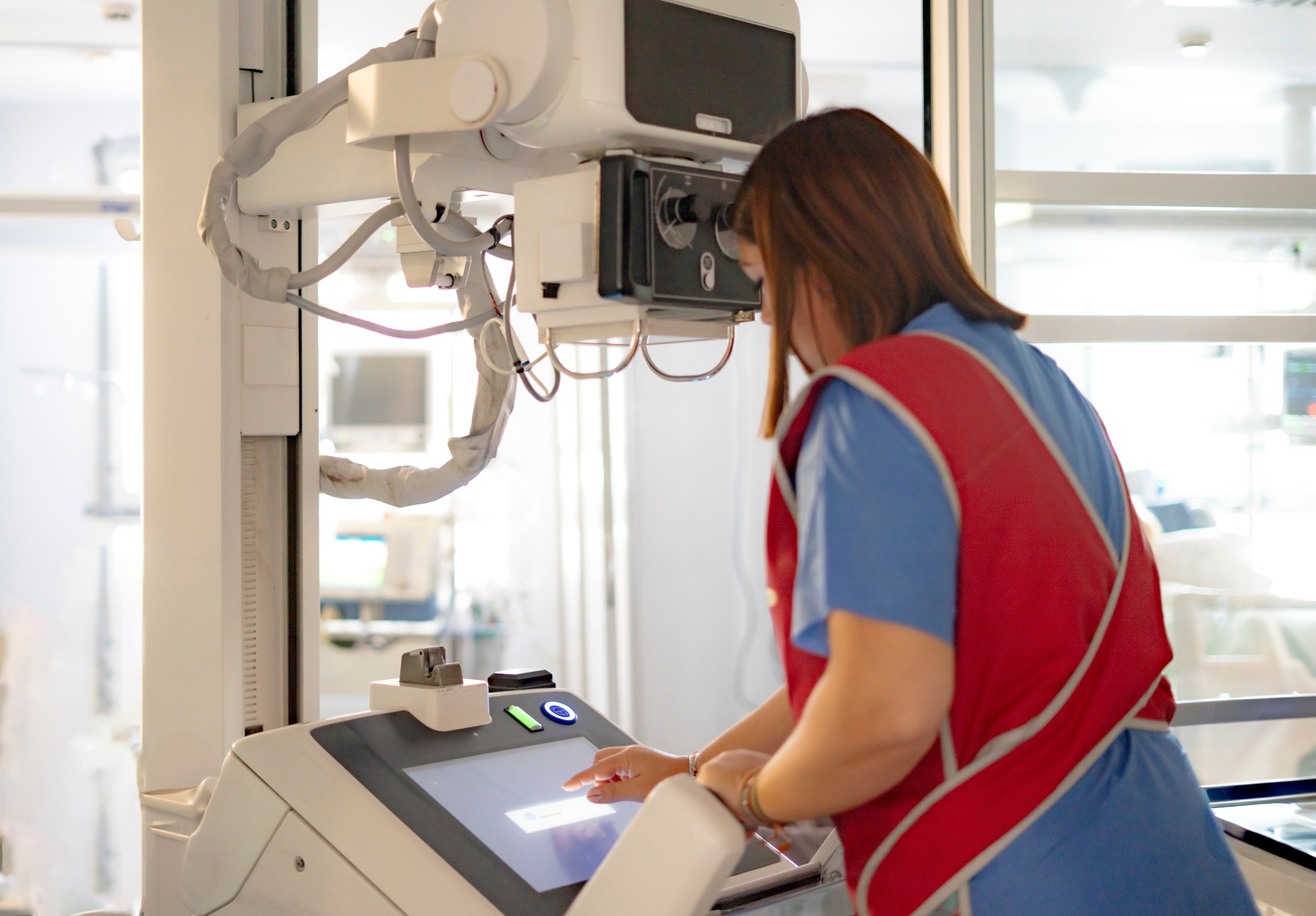
6. Radiation Safety for Staff and Patients
While all diagnostic imaging involves radiation, portable X-ray use requires careful attention to radiation protection, particularly in non-shielded environments.
Best practices typically include:
-
Proper positioning and distancing
-
Use of mobile lead shields where applicable
-
Personal protective equipment such as lead aprons, thyroid collars, and lead glasses
-
Clear safety protocols for staff and bystanders
A well-designed portable imaging program balances diagnostic efficiency with consistent radiation safety standards.
7. Cost and Space Efficiency Compared to Fixed Rooms
Installing a fixed radiography room requires dedicated space, shielding, construction, and downtime. Portable X-ray machines offer a lower-infrastructure alternative that can expand imaging capacity without major facility changes.
For many organizations, this translates to:
-
Lower upfront capital investment
-
Reduced renovation costs
-
Better utilization of existing clinical space
That said, total cost of ownership should account for accessories, detectors, service support, and safety equipment – not just the base unit.
8. Choosing the Right Portable X-Ray Solution
Not all portable X-ray machines are the same. When evaluating options, healthcare organizations should consider:
-
Intended clinical use cases
-
Weight and maneuverability
-
Battery life and power requirements
-
Detector compatibility
-
Image quality expectations
-
Radiation protection needs
-
Service, training, and long-term support
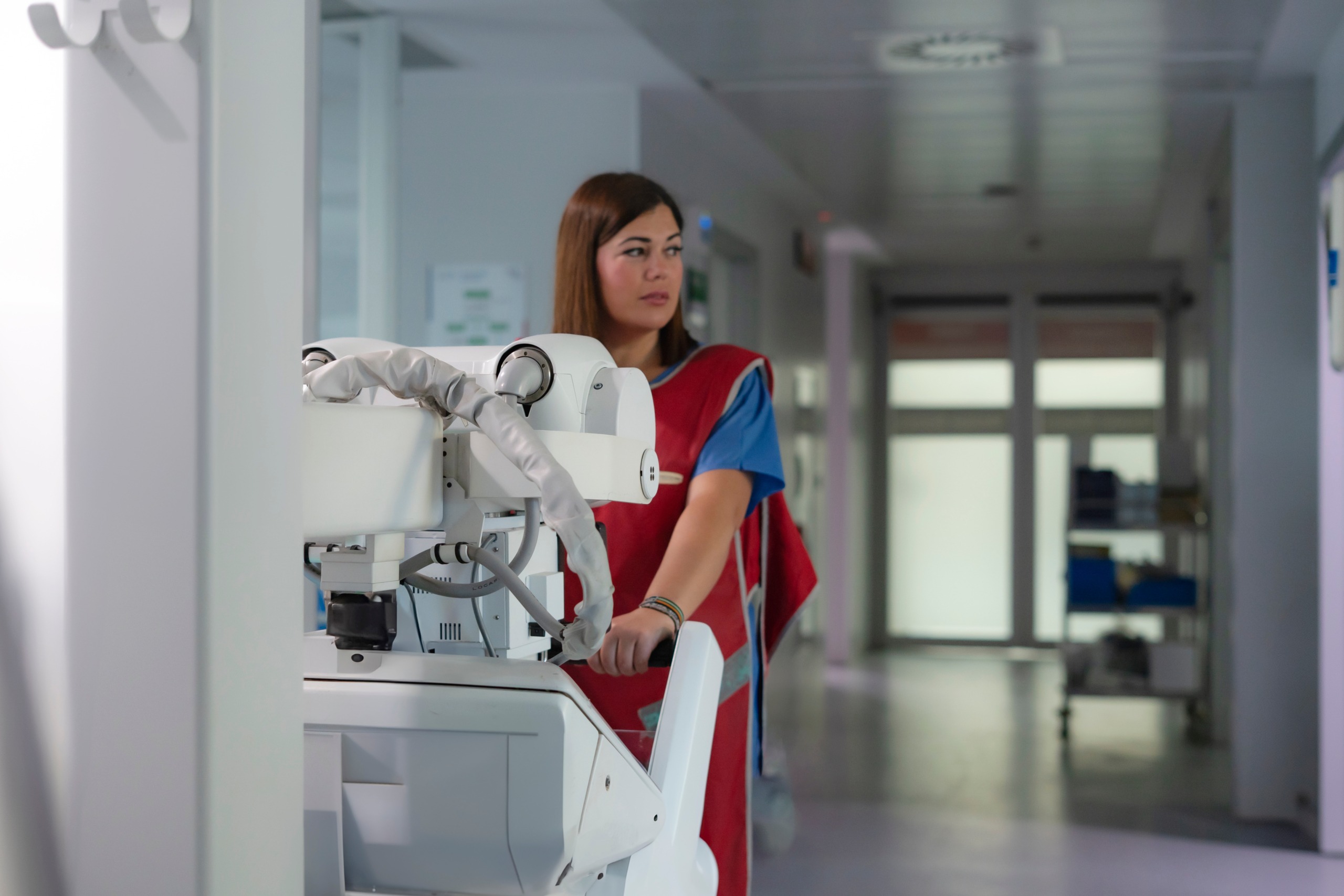
In clinical environments where portable radiography is used frequently – such as emergency departments, ICUs, and long-term care facilities – systems like AADCO’s AMX-4 Plus DR-equipped portable X-ray machine are designed to support point-of-care imaging while integrating with modern digital workflows.
As with any portable imaging system, proper radiation protection protocols and personal protective equipment remain essential to support staff safety during routine use.
How Portable X-Ray Fits Into a Broader Imaging and Safety Strategy
Portable radiography is most effective when viewed as part of a comprehensive imaging and radiation safety program. Equipment selection, staff training, and protective accessories all play a role in ensuring safe, efficient diagnostic imaging.
Healthcare facilities that align imaging technology with proper radiation protection protocols are better positioned to protect staff, support patients, and maintain compliance over time.
Portable X-ray machines are no longer just a convenience – they are a strategic asset for modern healthcare delivery. When selected and deployed thoughtfully, they improve diagnostic speed, patient safety, and operational flexibility while supporting evolving care models.
Supporting Safe, Effective Medical Imaging
Whether you’re evaluating imaging equipment, reviewing safety protocols, or planning facility upgrades, having the right radiation protection solutions in place matters.
AADCO Medical works with healthcare providers, imaging centers, and medical facilities nationwide to support diagnostic imaging safety through high-quality radiation protection products and clinical expertise.
Explore radiation protection solutions designed to support portable and fixed imaging environments – or contact our team to discuss your specific application.