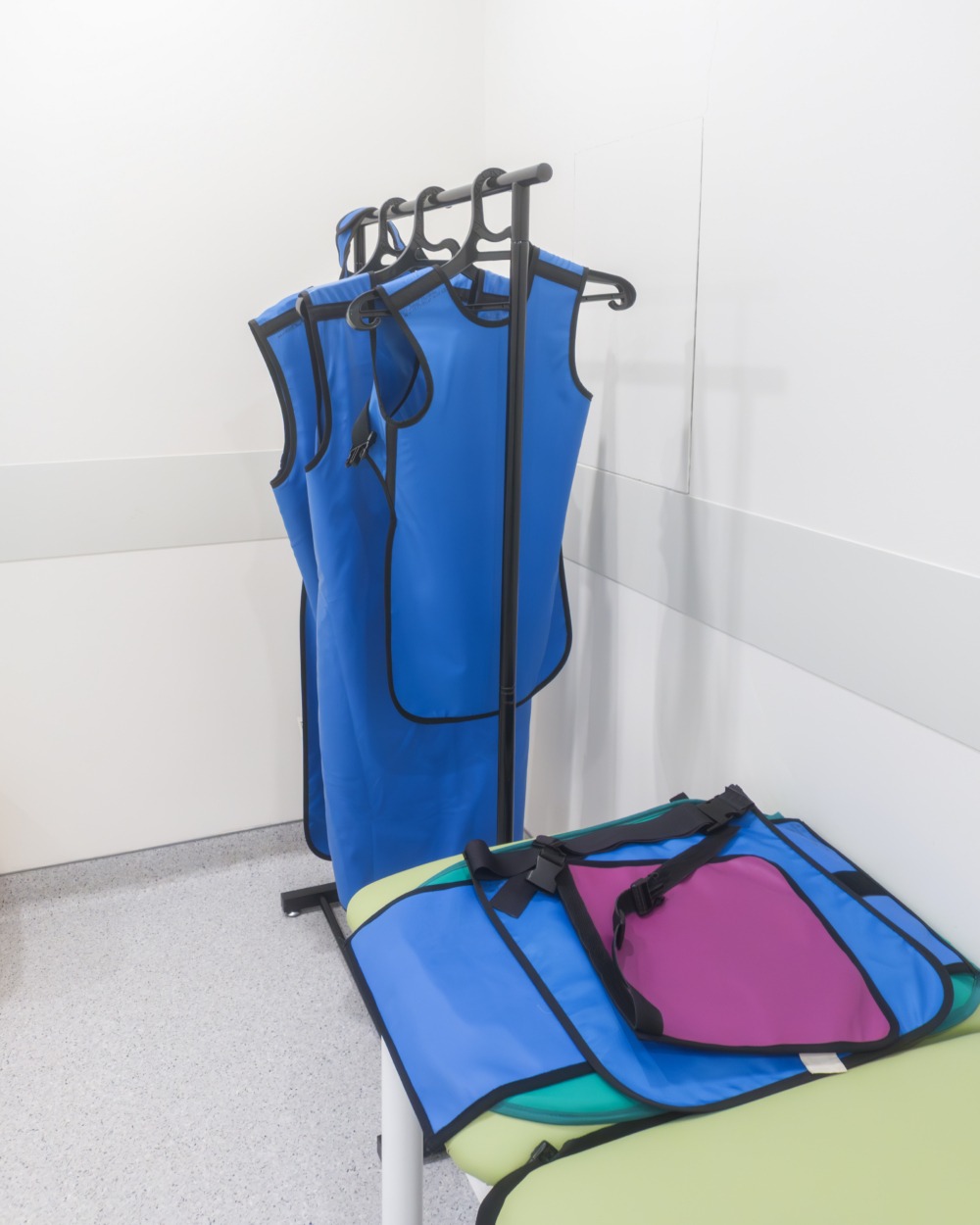
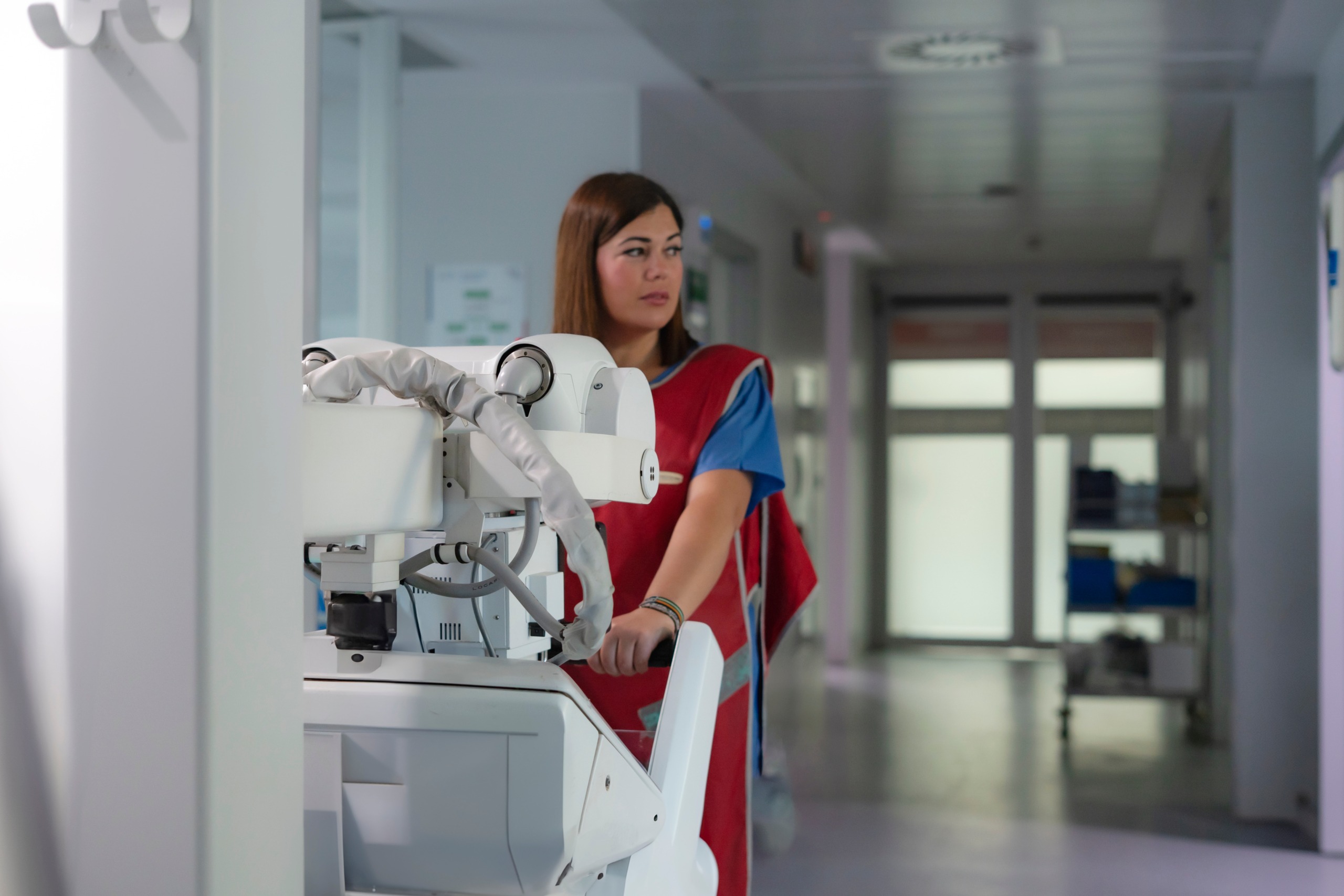
Lead aprons have been a foundational part of radiation protection in medical imaging for decades.
Despite major advancements in imaging technology, procedural equipment, and dose-reduction systems, protective apparel continues to play a critical role in helping reduce occupational radiation exposure across imaging environments.
And while most imaging professionals are familiar with lead aprons in general, the conversation surrounding radiation protection apparel has changed significantly over time.
Today, departments are evaluating much more than attenuation alone.
Modern discussions around protective apparel often involve:
- Ergonomics
- Workflow compatibility
- Long-term durability
- Inspection performance
- Staff fatigue
- Operational sustainability
That shift reflects the reality of modern imaging environments. Radiation protection apparel is no longer viewed simply as mandatory equipment sitting on a rack between procedures. In many departments, it has become part of the broader conversation around staff safety, workflow efficiency, and long-term occupational wellness.
Understanding how lead aprons are built, how they perform, and how they should be managed over time helps imaging departments make more informed decisions about both protection and long-term reliability.

Why Lead Aprons Continue to Matter in Modern Imaging
Imaging technology has improved dramatically over the last several decades.
Modern systems now offer:
- Advanced fluoroscopy controls
- Lower-dose imaging capabilities
- Improved detector sensitivity
- More sophisticated procedural visualization than ever before
But even with those advancements, occupational exposure remains a reality in many imaging environments, particularly during:
- Fluoroscopy
- Interventional procedures
- Vascular imaging
- Cath lab workflows
- Image-guided procedures
Scatter radiation still exists.
That is why radiation protection apparel continues to play such an important role in supporting staff safety during routine clinical operations.
And while no single protective measure eliminates exposure entirely, lead aprons remain one of the most widely used tools for helping reduce cumulative occupational exposure over time.
Not All Lead Aprons Are Built the Same
One of the biggest misconceptions about radiation protection apparel is that all aprons offering the same lead equivalency perform similarly long term.
In reality, construction quality matters enormously.
Two garments may appear nearly identical during an initial comparison while performing very differently after years of daily use. Differences in material consistency, seam reinforcement, flexibility retention, closure systems, and overall structural integrity often become much more noticeable once garments enter real clinical environments.
This is one reason experienced imaging departments typically evaluate protective apparel through a much broader lens than specification sheets alone. In busy procedural settings, long-term reliability matters just as much as attenuation performance.
Choosing the Right Radiation Protection Material
Modern imaging departments now have more material options available than ever before.
Traditional lead systems remain widely used because of their long clinical history, consistent attenuation performance, and recyclability.
Lead-free and composite materials have gained attention over the past several years, often promoted as lighter alternatives to traditional lead. While certain designs may reduce weight under specific circumstances, that isn’t universally true. Depending on the materials used, some lead-free garments can actually weigh as much, or even slightly more, than comparable lead aprons.
That’s one reason experienced imaging departments look beyond marketing claims when evaluating radiation protection apparel. Weight is only one part of the equation. Durability, long-term performance, recyclability, material availability, and overall construction quality all play an important role in determining which system is the best fit for a department’s needs.
Neither approach is inherently “better.”
The right choice depends on the clinical environment, procedural demands, sustainability goals, and the priorities of the organization making the investment.
Ergonomics Have Become a Much Bigger Priority
One of the most significant changes in radiation protection over the last decade has been the growing focus on ergonomics.
Historically, discussions around lead aprons focused primarily on attenuation levels and protection standards. Today, imaging departments are paying much closer attention to how protective apparel affects clinicians during long procedures and long careers.
That change is understandable.
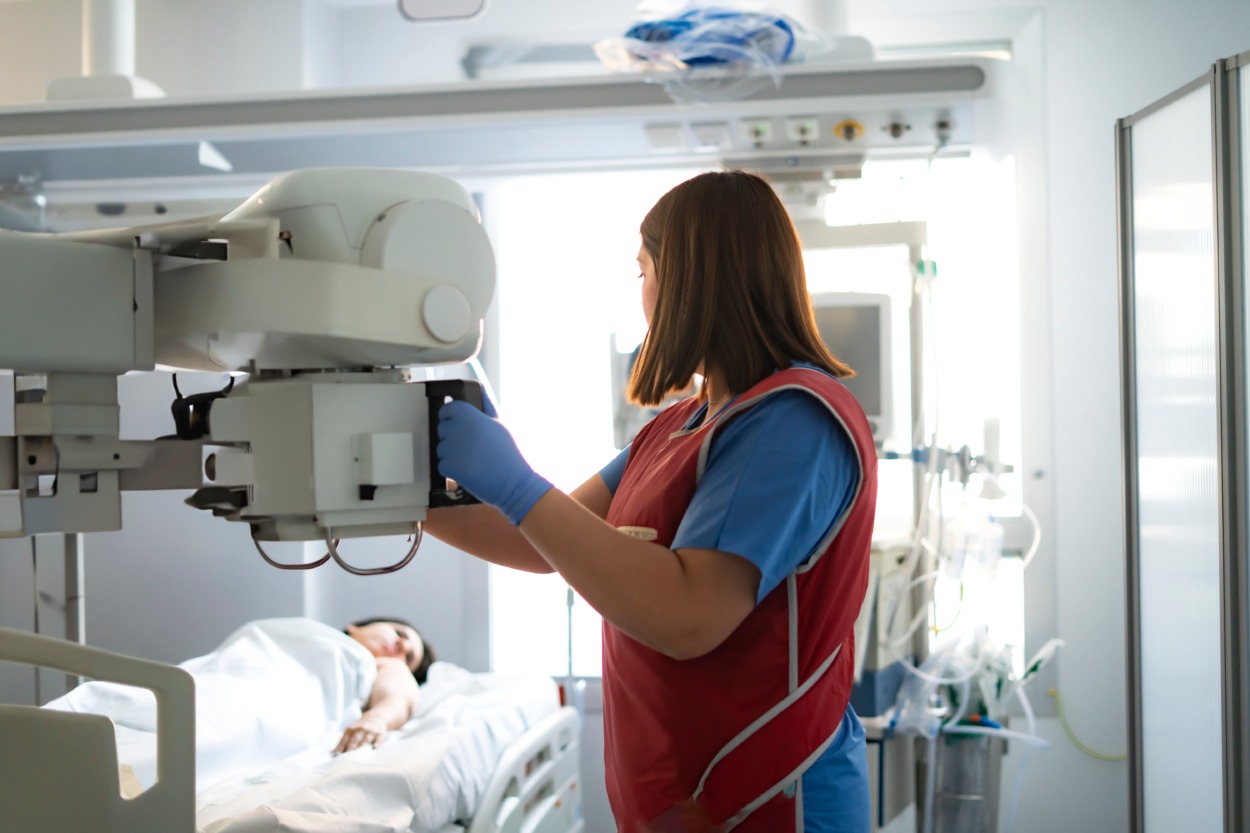
In many procedural environments, clinicians may wear radiation protection apparel for hours at a time while standing, repositioning equipment, and navigating complex imaging workflows throughout the day.
Over time, factors like weight distribution, mobility, flexibility, and overall wearable comfort become increasingly important.
This is one reason modern protective apparel is often evaluated not only as radiation shielding, but also as part of a department’s larger occupational wellness strategy.
Inspection Programs Are Essential for Long-Term Reliability
Lead aprons are expected to withstand years of movement, handling, procedural wear, and repeated use.
Over time, that stress gradually affects the internal structure of the garment. The challenge is that deterioration is not always visible externally.
An apron may still appear functional while developing internal cracking, attenuation inconsistencies, seam fatigue, or material stress points that only become visible during fluoroscopic inspection.
This is why routine inspection programs are such an important part of radiation protection management.
Facilities that maintain consistent inspection schedules, organized tracking systems, and structured replacement planning are often much better positioned to identify wear before small issues become larger operational problems.
Radiation Protection Apparel Is Part of a Larger Safety Culture
One of the most important things modern imaging departments are recognizing is that radiation safety is not defined by equipment alone.
Protective apparel matters, but long-term exposure reduction also depends heavily on:
- Procedural habits
- Shielding use
- Staff positioning
- Workflow awareness
- Overall safety culture
The departments that typically maintain the strongest radiation safety programs are often the ones where protection becomes part of the normal procedural rhythm rather than a separate compliance requirement.
That consistency matters, because radiation safety is rarely determined by one large decision. It is usually shaped by smaller daily habits repeated correctly over time.
Storage and Handling Have a Direct Impact on Lifespan
One of the fastest ways to shorten the life of a lead apron is improper storage.
Repeated folding, compression, unsupported hanging, and careless transport all place additional stress on the internal structure of the garment over time.
This is especially important in busy imaging environments where radiation protection apparel is constantly moving between procedures, rooms, departments, and clinical teams.
Departments that maintain organized storage systems and consistent handling practices often see:
- Better long-term inspection performance
- Fewer premature failures
- More reliable inventory lifespan overall
In many cases, how an apron is treated between procedures has just as much impact on longevity as the quality of the garment itself.
What Imaging Departments Should Evaluate When Selecting Lead Aprons
Every imaging department has different operational needs, which is why there is no universal “best” lead apron for every facility.
But experienced departments often evaluate several key factors consistently:
- Construction quality
- Ergonomic support
- Flexibility retention
- Inspection reliability
- Long-term durability
- Workflow compatibility
Price and advertised weight may influence purchasing decisions initially, but long-term performance usually becomes far more important once garments enter daily clinical use.
This is one reason many facilities eventually move beyond comparing products purely on specification sheets alone. Real-world performance tells a much larger story.
Modern Radiation Protection Continues to Evolve
Radiation protection apparel has evolved considerably alongside imaging technology itself.
Departments are now placing greater emphasis on ergonomics, long-term staff sustainability, organized equipment management, and workflow integration than ever before.
At the same time, the foundational goals remain remarkably consistent reduce unnecessary exposure, support staff safety, maintain reliable protection systems, and create sustainable imaging environments for long-term clinical use.
As procedural imaging continues advancing, radiation protection apparel will likely continue evolving as well.
But regardless of how technology changes, strong construction quality, thoughtful workflow integration, and consistent safety practices will remain essential parts of long-term radiation protection strategy.
Frequently Asked Questions
What are lead aprons used for?
Lead aprons help reduce occupational radiation exposure for medical staff working in imaging and fluoroscopic environments.
How often should lead aprons be inspected?
Inspection frequency varies by facility, but many departments perform annual or semi-annual evaluations depending on usage intensity and internal protocols.
What affects lead apron lifespan?
Construction quality, handling habits, storage practices, inspection history, and daily usage intensity all influence long-term durability.
Why are ergonomics important in radiation protection apparel?
In high-volume procedural environments, prolonged PPE wear may contribute to fatigue and musculoskeletal strain, making comfort and weight distribution increasingly important.
Supporting Save, Effective Medical Imaging
Radiation protection apparel remains an important part of modern imaging safety strategy. Understanding how lead aprons are built, used, inspected, and maintained can help imaging departments make more informed long-term decisions about protection, durability, workflow compatibility, and operational reliability.